
Blog
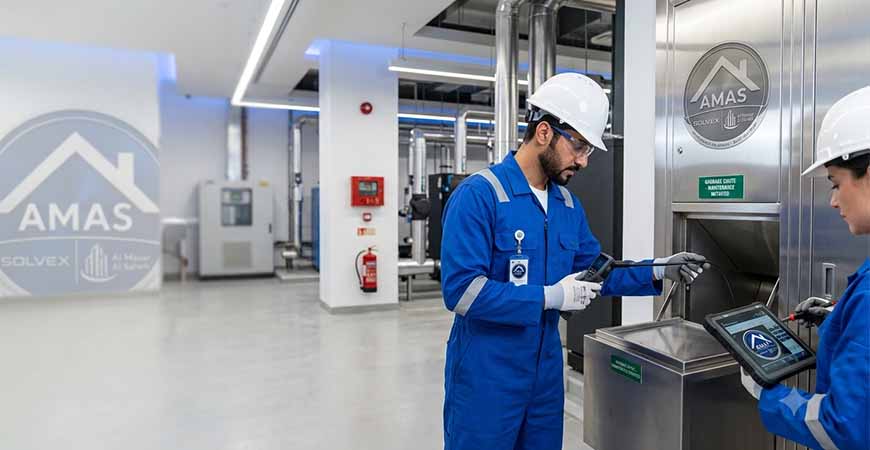
The Ultimate Guide to Garbage Chute Maintenance: Everything Property Managers Need to Know
The Ultimate Guide to Garbage Chute Maintenance: Everything Property Managers Need to Know
Introduction
In today's modern residential towers, commercial buildings, hotels, hospitals, and mixed-use developments, Garbage Chute Systems play an essential role in maintaining cleanliness, improving operational efficiency, and providing occupants with a safe and convenient waste disposal solution. These systems are designed to transport waste quickly from multiple floors to a centralized collection area, minimizing manual handling and enhancing hygiene throughout the building.
However, like any mechanical system that operates daily, garbage chutes require regular inspection, professional cleaning, preventive maintenance, and timely repairs to ensure optimal performance. Without proper maintenance, a garbage chute can quickly become a source of unpleasant odors, bacterial growth, pest infestations, fire hazards, and expensive operational issues.
Many property owners underestimate the importance of preventive maintenance until they experience a blocked chute, damaged intake door, or emergency shutdown. By that stage, repair costs are often significantly higher than the cost of a scheduled maintenance program.
Professional Garbage Chute Maintenance is far more than simply washing the inside of the chute. It involves a systematic process of inspection, cleaning, sanitization, mechanical servicing, safety testing, and performance evaluation. When performed correctly, maintenance extends the lifespan of the entire system while ensuring compliance with health, hygiene, and fire safety standards.
Whether you manage a residential tower, luxury hotel, healthcare facility, shopping mall, educational institution, or industrial building, implementing a preventive maintenance strategy is one of the most cost-effective investments you can make.
This comprehensive guide explains everything you need to know about garbage chute maintenance—from system components and common problems to preventive maintenance schedules, professional repair procedures, safety regulations, and best practices used by industry experts.
What Is a Garbage Chute System?
A Garbage Chute System is a vertical waste disposal system installed inside multi-story buildings. It allows residents, staff, or tenants to dispose of waste through intake doors located on each floor. The waste travels safely through a vertical steel chute into a collection room or compactor at the bottom of the building.
Modern garbage chute systems are engineered using high-quality stainless steel to resist corrosion, reduce bacterial contamination, and withstand years of continuous operation.
A complete garbage chute system typically consists of several integrated components, including:
- Stainless steel chute sections
- Intake hopper doors
- Discharge door
- Collection room
- Ventilation system
- Automatic washing system
- Sanitization unit
- Fire protection components
- Odor control system
- Access panels
- Safety locking mechanisms
- Control systems (for automated models)
Each component plays a critical role in ensuring the system operates safely and efficiently. A failure in even one component can affect the performance of the entire waste disposal system.
Why Garbage Chute Maintenance Is So Important
Many building owners mistakenly assume that garbage chute maintenance is only necessary when problems become visible. In reality, preventive maintenance should be considered an essential part of every building's facility management strategy.
Because garbage chutes are used every day by hundreds or even thousands of occupants, they are constantly exposed to:
- Food waste
- Liquids
- Moisture
- Grease
- Organic materials
- Cleaning chemicals
- Heavy loads
- Continuous mechanical wear
Over time, these factors contribute to contamination, corrosion, mechanical deterioration, and reduced system performance.
Routine maintenance minimizes these risks while ensuring that the system continues to operate efficiently.
Key Benefits of Professional Garbage Chute Maintenance
1. Improved Hygiene
A clean garbage chute significantly reduces bacteria, mold, fungi, and harmful microorganisms that thrive in damp waste disposal environments.
Professional sanitization also minimizes cross-contamination, creating a healthier environment for building occupants.
This is particularly important for:
- Hospitals
- Hotels
- Residential towers
- Educational facilities
- Food service buildings
- Commercial complexes
Maintaining high hygiene standards not only protects public health but also enhances the reputation of the property.
2. Elimination of Bad Odors
One of the most common complaints received by facility managers is unpleasant odors coming from garbage chute rooms or intake doors.
Odors typically result from:
- Organic waste buildup
- Grease accumulation
- Standing liquids
- Poor ventilation
- Bacterial growth
- Dirty chute walls
Professional maintenance includes deep cleaning, steam washing, degreasing, and sanitization to eliminate odor-causing bacteria rather than simply masking unpleasant smells.
Modern odor control techniques can dramatically improve indoor air quality throughout the building.
3. Reduced Risk of Blockages
Garbage chute blockages are among the most expensive emergency maintenance issues.
Common causes include:
- Oversized garbage bags
- Cardboard boxes
- Construction debris
- Bulky household items
- Wet waste sticking to chute walls
- Grease buildup
Routine inspections identify potential obstructions before they develop into complete blockages that require emergency intervention.
Preventive maintenance also ensures that residents continue using the system without interruption.
4. Enhanced Fire Safety
Garbage chutes can become fire hazards if neglected.
Accumulated combustible waste, damaged intake doors, defective fire dampers, or malfunctioning fire-rated components can allow flames or smoke to spread rapidly between floors.
Professional maintenance includes:
- Inspection of fire-rated doors
- Testing self-closing mechanisms
- Verifying fire dampers
- Examining smoke containment systems
- Checking emergency safety features
These inspections help maintain compliance with local fire safety regulations while improving occupant safety.
5. Longer Equipment Lifespan
Every garbage chute system represents a significant investment.
Replacing an entire chute system can be extremely expensive, particularly in occupied buildings where installation is complex.
Routine maintenance protects this investment by reducing wear on critical components, including:
- Intake doors
- Hinges
- Door seals
- Locking systems
- Stainless steel panels
- Discharge mechanisms
- Washing systems
Replacing inexpensive worn parts early often prevents major structural repairs later.
6. Lower Long-Term Maintenance Costs
Emergency repairs almost always cost more than scheduled preventive maintenance.
Unexpected failures may require:
- Emergency technician call-outs
- Temporary building shutdowns
- Resident complaints
- Waste removal interruptions
- Replacement components
- Extensive cleaning
By implementing a structured maintenance program, building owners can significantly reduce operating expenses over the lifetime of the system.
Preventive maintenance shifts maintenance from reactive problem-solving to proactive asset management, resulting in better budgeting, fewer disruptions, and greater operational efficiency.
The Hidden Cost of Neglecting Garbage Chute Maintenance
While many maintenance tasks can be postponed without immediate consequences, garbage chute maintenance is not one of them.
Ignoring routine inspections can lead to a chain reaction of problems that affect the entire building. A minor issue such as a worn door seal or a loose hinge can quickly develop into foul odors, increased moisture, pest infestations, corrosion, or even complete system failure.
In high-rise residential buildings, hotels, and hospitals, these issues can negatively impact occupant satisfaction, health standards, and operational continuity. Emergency repairs are often more disruptive and considerably more expensive than scheduled maintenance.
Property owners who invest in preventive maintenance not only reduce repair costs but also protect the long-term value of their buildings and maintain a cleaner, safer environment for everyone.
Common Garbage Chute Problems Every Property Manager Should Know
Even the highest-quality garbage chute systems are exposed to constant wear and tear due to heavy daily use. In residential towers, hotels, hospitals, commercial buildings, and mixed-use developments, hundreds of waste disposal cycles can occur every day. Over time, this continuous operation places significant stress on both the mechanical components and the chute's internal surfaces.
Recognizing potential issues at an early stage is one of the most effective ways to avoid costly repairs, emergency service interruptions, and health or safety concerns.
Below are the most common problems encountered in garbage chute systems and how professional maintenance helps prevent them.
1. Persistent Unpleasant Odors
Unpleasant odors are among the first signs that a garbage chute requires professional attention.
Although waste is removed regularly, organic residue often remains attached to the inner walls of the chute. Over time, grease, food particles, moisture, and bacteria accumulate, creating an ideal environment for odor-causing microorganisms.
Common causes include:
- Organic waste buildup
- Grease accumulation
- Inadequate cleaning
- Standing liquids
- Poor ventilation
- Blocked vent systems
- Damaged door gaskets
Simply spraying deodorizing chemicals provides only temporary relief. Professional maintenance focuses on eliminating the root cause through deep cleaning, sanitization, and inspection of the ventilation system.
2. Garbage Chute Blockages
Blockages are one of the most disruptive issues affecting waste disposal systems.
A blocked chute prevents residents from disposing of waste properly, often leading to overflowing garbage rooms, unpleasant odors, and increased health risks.
Typical causes include:
- Oversized garbage bags
- Furniture components
- Cardboard boxes
- Construction materials
- Glass panels
- Loose plastic wrapping
- Wet waste adhering to chute walls
Professional technicians use specialized inspection equipment to locate blockages without causing damage to the chute system. Once identified, the obstruction is safely removed, and the chute is cleaned to restore normal operation.
Regular preventive inspections greatly reduce the likelihood of severe blockages.
3. Damaged Intake Doors
Each intake door experiences thousands of opening and closing cycles throughout its service life.
As a result, components such as hinges, handles, latches, locks, and door seals naturally wear over time.
Common symptoms include:
- Doors that fail to close completely
- Loose handles
- Broken hinges
- Damaged locks
- Worn rubber gaskets
- Misaligned doors
- Difficulty opening or closing
A damaged intake door not only affects user convenience but can also compromise fire safety, allow odors to escape, and reduce the overall efficiency of the system.
Routine servicing ensures these components remain in optimal working condition.
4. Corrosion and Rust
Although modern garbage chutes are typically manufactured from stainless steel, corrosion can still occur under certain conditions.
Continuous exposure to moisture, acidic waste, harsh cleaning chemicals, and neglected maintenance may gradually damage metal surfaces.
Early signs include:
- Surface discoloration
- Rust spots
- Pitting
- Weld deterioration
- Water stains
- Rough internal surfaces
If left untreated, corrosion can weaken structural integrity and increase maintenance costs.
Professional inspections identify corrosion at an early stage, allowing technicians to repair or replace affected sections before significant damage occurs.
5. Pest Infestations
Poorly maintained garbage chutes often attract unwanted pests.
Food residue and accumulated waste provide an ideal food source for insects and rodents.
Potential infestations include:
- Cockroaches
- Flies
- Ants
- Rodents
- Beetles
- Other insects
These infestations not only create hygiene concerns but can also damage the building's reputation.
Professional sanitization programs significantly reduce the conditions that attract pests.
6. Ventilation Problems
A garbage chute depends on proper airflow to maintain negative pressure and minimize odors.
When ventilation systems become blocked or damaged, air circulation is restricted.
Possible consequences include:
- Strong odors on multiple floors
- Excess humidity
- Slower waste movement
- Increased bacterial growth
- Condensation inside the chute
Routine maintenance includes inspection of ventilation ducts, rooftop vents, and airflow performance to ensure efficient operation.
7. Fire Safety Component Failure
Fire safety is one of the most critical aspects of any garbage chute system.
Fire-rated intake doors, self-closing mechanisms, discharge doors, and fire dampers are specifically designed to prevent flames and smoke from spreading throughout the building.
Common failures include:
- Worn self-closing mechanisms
- Damaged fire seals
- Broken fire dampers
- Misaligned fire doors
- Faulty locking systems
Regular testing helps ensure that all fire protection components remain fully operational.
Warning Signs Your Garbage Chute Needs Immediate Maintenance
Property managers should never ignore early warning signs.
Prompt action prevents small issues from becoming major failures.
Watch for the following indicators:
Persistent bad odors
If unpleasant smells continue even after waste collection, the chute likely requires professional cleaning and sanitization.
Slow waste movement
Waste that takes longer than usual to reach the collection room may indicate partial blockages or internal obstructions.
Loud noises
Grinding, scraping, rattling, or metallic sounds often suggest damaged internal components or loose hardware.
Doors that do not close properly
Improperly closing intake doors can allow odors to escape while compromising fire safety.
Water leaks
Leaks around the chute room may indicate drainage issues or problems with the washing system.
Rust or visible damage
Any visible corrosion should be investigated immediately to prevent structural deterioration.
Increased insect activity
A noticeable rise in flies, cockroaches, or rodents often signals inadequate cleaning or waste accumulation.
Resident complaints
An increase in complaints about odors, noise, or malfunctioning doors is often the earliest indication that maintenance is overdue.
Listening to occupant feedback can help facility managers address problems before they escalate.
The Professional Garbage Chute Maintenance Process
Professional maintenance follows a structured procedure designed to maximize safety, hygiene, and long-term system reliability.
Step 1 – Initial Inspection
Technicians begin with a comprehensive visual and mechanical assessment of the entire chute system.
This includes:
- Intake doors
- Door hinges
- Locks
- Door seals
- Stainless steel surfaces
- Ventilation components
- Collection room
- Discharge area
- Fire safety devices
- Washing system
- Structural supports
Any visible wear, corrosion, or mechanical defects are documented before maintenance begins.
Step 2 – System Isolation
Before maintenance starts, the chute is temporarily taken out of service.
Safety signage is installed on every floor to prevent occupants from using the system during maintenance.
Technicians also verify that all safety procedures are in place before entering service areas.
Step 3 – Deep Interior Cleaning
Unlike routine janitorial cleaning, professional garbage chute cleaning uses specialized equipment and industrial-grade cleaning solutions.
The process typically includes:
- High-pressure washing
- Rotary brushing
- Steam cleaning
- Degreasing
- Removal of organic residue
- Biofilm elimination
- Interior wall cleaning from top to bottom
This process removes years of accumulated contamination while restoring hygienic conditions inside the chute.
Step 4 – Professional Sanitization
Once cleaning is complete, technicians apply hospital-grade disinfectants to eliminate harmful microorganisms.
Sanitization targets:
- Bacteria
- Mold
- Fungi
- Viruses
- Odor-causing microorganisms
This step not only improves hygiene but also significantly enhances indoor air quality throughout the building.
Fire Safety Requirements for Garbage Chute Systems
Fire safety is one of the most critical aspects of any garbage chute system. Since a garbage chute creates a vertical passage through multiple floors of a building, it has the potential to allow smoke, heat, and flames to travel rapidly if proper fire protection measures are not maintained.
For this reason, garbage chute systems must be designed, inspected, and maintained in accordance with applicable fire safety regulations and manufacturer recommendations.
A professional maintenance program should include the inspection and testing of all fire-related components to ensure they function correctly in the event of an emergency.
Key Fire Safety Components
A properly maintained garbage chute system typically includes:
- Fire-rated intake doors
- Self-closing door mechanisms
- Heat-activated discharge doors
- Fire dampers
- Smoke containment systems
- Fire-resistant chute construction
- Automatic sprinkler systems (where applicable)
- Fire stop seals
- Emergency access panels
Each of these components plays a vital role in preventing the spread of fire throughout the building.
Garbage Chute Inspection Checklist
Professional inspections involve much more than a visual assessment. Every major component should be evaluated for performance, wear, safety, and compliance.
A comprehensive inspection typically includes:
Structural Inspection
- Stainless steel chute sections
- Welded joints
- Mounting brackets
- Support frames
- Internal alignment
- Corrosion assessment
Mechanical Inspection
- Intake doors
- Hinges
- Handles
- Locks
- Door closers
- Rubber gaskets
- Discharge mechanisms
Hygiene Inspection
- Internal cleanliness
- Grease accumulation
- Moisture buildup
- Mold formation
- Bacterial contamination
- Odor sources
Ventilation Inspection
- Airflow performance
- Vent pipes
- Exhaust openings
- Roof vent condition
- Air pressure balance
Safety Inspection
- Fire-rated doors
- Fire dampers
- Warning labels
- Safety locks
- Emergency access panels
- Compliance with safety standards
Every inspection should conclude with a detailed report outlining observations, maintenance recommendations, and any corrective actions required.
Recommended Preventive Maintenance Schedule
Preventive maintenance should be planned according to the level of building occupancy and the frequency of waste disposal.
The following schedule is commonly recommended:
Daily
- Visual inspection of intake doors
- Check for unusual odors
- Ensure doors close properly
- Verify the collection room remains clean
Weekly
- Inspect door hinges and handles
- Clean surrounding areas
- Check for signs of blockage
- Inspect the discharge area
- Remove any visible debris
Monthly
- Inspect all intake doors
- Test locking mechanisms
- Examine rubber seals
- Check ventilation performance
- Inspect structural supports
- Verify fire safety components
Quarterly
- Perform deep interior cleaning
- Steam clean internal chute walls
- Sanitize the complete system
- Inspect corrosion
- Lubricate moving components
- Review maintenance records
Semi-Annually
- Comprehensive system inspection
- Replace worn seals
- Inspect all welded joints
- Evaluate structural integrity
- Test all fire protection devices
Annually
- Full preventive maintenance service
- Comprehensive safety audit
- Performance evaluation
- Component replacement where necessary
- Long-term maintenance planning
- Asset condition reporting
Critical Components That Commonly Require Replacement
Even with excellent maintenance, some components naturally wear over time.
The most frequently replaced parts include:
Intake Door Gaskets
Rubber seals gradually lose flexibility due to temperature changes, moisture, and constant use.
Replacing damaged gaskets helps eliminate odor leakage while improving fire resistance.
Door Hinges
Heavy daily operation eventually causes hinge wear.
Worn hinges may result in:
- Door misalignment
- Poor sealing
- Difficult operation
- Increased stress on the frame
Routine replacement restores smooth operation.
Door Closers
Automatic self-closing devices are essential for both hygiene and fire safety.
If a closer fails, doors may remain partially open, allowing odors to escape and compromising fire protection.
Handles and Locking Mechanisms
Frequent use naturally wears handles and locking systems.
Replacing damaged hardware improves user safety while reducing long-term repair costs.
Stainless Steel Panels
Although stainless steel is highly durable, accidental impacts, corrosion, or years of service may require replacement of damaged sections.
Replacing individual panels is often more economical than replacing an entire chute.
Emergency Garbage Chute Repair Services
Despite regular maintenance, emergencies can still occur.
A rapid response is essential to minimize disruption and restore safe operation.
Emergency repairs commonly involve:
- Severe blockages
- Damaged intake doors
- Broken discharge doors
- Fire door failures
- Structural damage
- Major corrosion
- Ventilation failures
- Water leakage
- Mechanical failures
- Safety hazards
An experienced maintenance provider should be equipped to diagnose the issue quickly, secure the affected area, perform immediate repairs where possible, and recommend permanent corrective actions.
How Preventive Maintenance Extends Equipment Life
Preventive maintenance is not simply about preventing breakdowns it is a long-term strategy for protecting valuable building assets.
Routine servicing helps to:
- Reduce mechanical wear
- Prevent corrosion
- Maintain smooth operation
- Improve hygiene
- Reduce emergency repairs
- Lower operating costs
- Preserve equipment value
- Increase occupant satisfaction
- Enhance building safety
- Extend system lifespan
Many professionally maintained garbage chute systems continue operating efficiently for decades because minor issues are identified and corrected before they develop into major failures.
Why Professional Maintenance Is Better Than Reactive Repairs
Some building owners postpone maintenance until a fault occurs, believing this approach reduces costs. In reality, reactive maintenance often leads to higher expenses and greater operational disruption.
Professional preventive maintenance offers several advantages:
- Early detection of hidden issues
- Reduced emergency call-outs
- Lower repair costs over time
- Improved hygiene standards
- Enhanced fire safety
- Better system reliability
- Increased equipment lifespan
- Predictable maintenance budgeting
- Fewer resident complaints
- Reduced operational downtime
By identifying and addressing small issues before they escalate, preventive maintenance minimizes unexpected failures and helps maintain uninterrupted building operations.
Why Choose AMAS SOLVEX & Al Masar Al Saheh
Effective garbage chute maintenance requires more than routine cleaning. It demands technical expertise, industry experience, and a commitment to quality, safety, and long-term system performance.
At AMAS SOLVEX and Al Masar Al Saheh, we provide comprehensive garbage chute maintenance, inspection, cleaning, repair, and preventive maintenance services tailored to the needs of residential towers, commercial buildings, hotels, hospitals, educational institutions, and industrial facilities across the UAE.
Our maintenance approach is built on:
- Experienced and highly trained technicians
- Comprehensive inspection procedures
- Preventive maintenance programs
- Professional cleaning and sanitization
- High-quality replacement components
- Detailed maintenance reports
- Rapid response for emergency repairs
- Compliance with health and safety standards
- Commitment to long-term system reliability
- Customer-focused service and technical support
Rather than simply fixing problems as they arise, we help building owners and facility managers implement proactive maintenance strategies that improve reliability, extend equipment lifespan, and reduce overall operating costs.
Frequently Asked Questions (FAQ)
1. How often should a garbage chute be professionally maintained?
The recommended maintenance frequency depends on the size and occupancy of the building. High-rise residential towers, hotels, hospitals, and commercial properties should have routine inspections every month, deep cleaning every three to six months, and a comprehensive preventive maintenance service at least once a year.
2. Why is preventive maintenance important?
Preventive maintenance helps identify potential issues before they become major problems. It reduces emergency repairs, extends the lifespan of the equipment, improves hygiene, minimizes unpleasant odors, and lowers long-term operating costs.
3. What causes unpleasant odors inside a garbage chute?
Persistent odors are usually caused by accumulated organic waste, grease buildup, bacteria, moisture, poor ventilation, or inadequate cleaning. Professional cleaning and sanitization eliminate the source of the odor rather than masking it.
4. Can a blocked garbage chute damage the system?
Yes. A blockage can place additional stress on doors, discharge mechanisms, and supporting components. If not addressed promptly, it may also create hygiene concerns, increase fire risks, and interrupt normal building operations.
5. How long does garbage chute maintenance take?
Routine inspections can typically be completed within a few hours. More comprehensive maintenance—including deep cleaning, sanitization, and repairs—may require additional time depending on the size, condition, and complexity of the system.
6. Can damaged intake doors be repaired?
In many cases, yes. Hinges, handles, locks, seals, and door closers can often be repaired or replaced. However, severely damaged or corroded doors may require full replacement to maintain safety and performance.
7. Is garbage chute cleaning the same as maintenance?
No. Cleaning removes dirt, grease, and waste residue, while maintenance includes inspection, mechanical servicing, safety testing, repairs, lubrication, and performance evaluation. Both are essential for reliable operation.
8. What are the most common garbage chute problems?
Common issues include unpleasant odors, blockages, damaged intake doors, worn hinges, leaking seals, corrosion, poor ventilation, faulty fire safety components, and pest infestations.
9. How can preventive maintenance reduce operating costs?
Regular maintenance helps detect minor issues before they escalate into major repairs. It reduces emergency service calls, minimizes downtime, extends equipment life, and lowers the total cost of ownership.
10. Are garbage chute systems required to meet fire safety standards?
Yes. Garbage chute systems are typically designed with fire-rated doors, self-closing mechanisms, and other fire protection features. These components should be inspected and maintained regularly to ensure they remain fully operational.
11. Can poor maintenance attract pests?
Yes. Food residue, moisture, and accumulated waste can attract insects and rodents. Regular cleaning and sanitization help eliminate the conditions that encourage pest activity.
12. What should be included in a professional maintenance report?
A professional report should document the condition of the chute system, identify worn or damaged components, outline completed maintenance work, recommend corrective actions, and provide guidance for future servicing.
13. How long can a well-maintained garbage chute system last?
With proper installation, regular inspections, preventive maintenance, and timely repairs, a high-quality garbage chute system can provide reliable service for many years while maintaining safe and efficient operation.
14. Why should building owners hire a professional maintenance company?
Experienced technicians have the expertise, specialized equipment, and industry knowledge required to inspect, clean, repair, and maintain garbage chute systems safely and effectively. Professional maintenance also helps ensure compliance with safety and hygiene standards.
15. What types of buildings benefit from garbage chute maintenance?
Professional garbage chute maintenance is essential for residential towers, apartment buildings, hotels, hospitals, healthcare facilities, shopping malls, educational institutions, office buildings, and mixed-use developments.
Conclusion
A garbage chute system is far more than a convenient method of waste disposal it is an essential part of a building's hygiene, safety, and operational efficiency. When properly maintained, it supports a cleaner environment, reduces health risks, minimizes costly disruptions, and contributes to a better experience for residents, staff, and visitors.
Preventive maintenance should never be viewed as an optional expense. Instead, it is a strategic investment that protects valuable building assets, extends equipment lifespan, improves fire safety, and lowers long-term operating costs.
Whether you manage a residential community, hotel, hospital, commercial complex, or industrial facility, partnering with an experienced maintenance provider ensures that your garbage chute system continues to operate safely, efficiently, and in compliance with industry standards.
At AMAS SOLVEX and Al Masar Al Saheh, we are committed to delivering reliable garbage chute maintenance, professional inspections, expert repairs, and preventive maintenance solutions that help our clients protect their properties and maintain the highest standards of cleanliness, safety, and performance.
Keep Your Facility Running at Its Best.
